







Search Results for: actual product differs from picture
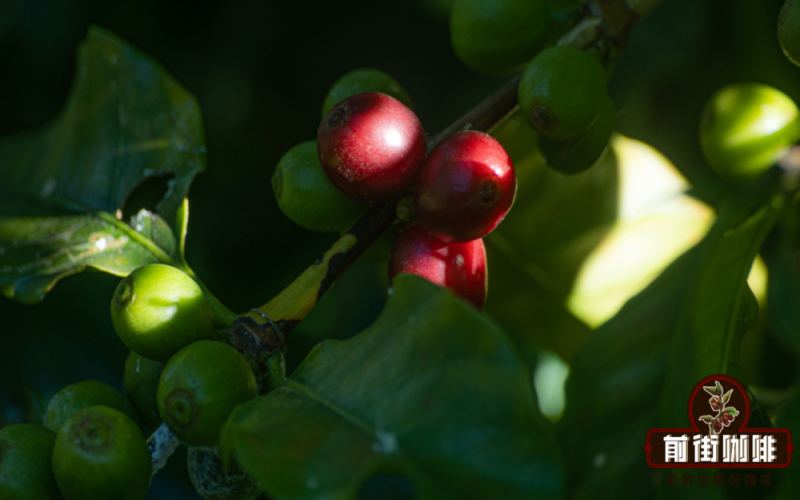
Catimor Coffee Variety Flavor Analysis: The Arabica Lineage and Full Cultivation Picture of Yunnan Catimor
As a hybrid descendant of Arabica and Robusta, Catimor has inherited the advantages of disease resistance and high yield, but it has also brought controversy in terms of flavor. This article, from Front Street's perspective, will sort out Catimor's breeding history, flavor characteristics, and how it took root in Yunnan and became the main variety of Yunnan small-batch coffee. At the same time, we will also discuss the growing conditions of Yunnan Catimor, the washed processing method, and Front Street Coffee's brewing suggestions for this bean, helping coffee lovers gain a comprehensive understanding of this variety's unique qualities. [more…]
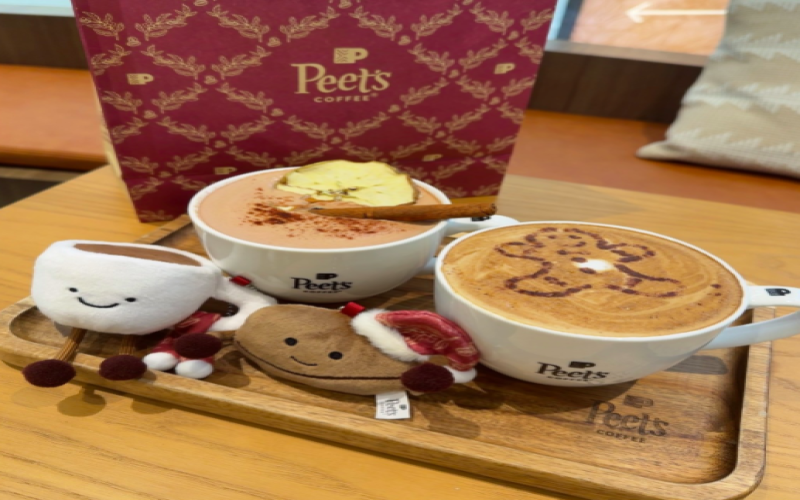
Peet's Gingerbread Man Latte Accused of Mismatch Between Photo and Reality, Customers Complain About Powder Sprinkle Fail and Overpowering Cinnamon Taste
As December reaches mid-month, Christmas is drawing nearer, and major coffee chains are rolling out their holiday limited-edition drinks. Peet's Coffee recently launched two Christmas newcomers—the Intellectual Gingerbread Man Flavored Latte and the Holiday Mulled Wine Americano—along with three limited-edition merchandise items, drawing many loyal customers to place orders. However, the Gingerbread Man Latte has sparked collective complaints from customers because the powder pattern on the milk foam differs too much from the promotional poster; some bluntly say the product doesn't match the advertisement, while others complain that too much cinnamon powder affects the taste. Just how does this new drink actually taste, and how do the staff explain the mishap? This article will take you to find out. [more…]
Peet's × Dunhuang Museum Collaboration New Drink Criticized: Cream-Topped Hot Beverage Arrives Collapsed, Big Gap Between Reality and Poster
At the start of 2024, the co-branding wars in the coffee industry are intensifying, with Luckin, Cotti, and Starbucks all making their moves, and Peet's Coffee not to be outdone, teaming up with the Dunhuang Museum to launch themed merchandise and two signature drinks. However, once the new products were in hand, they drew complaints from consumers because the cream top melted quickly and the drinks' appearance differed too much from the promotional posters. This article reviews the highlights and controversies of this co-branding campaign, and explores the widespread "buyer's show vs. seller's show" problem with hot drinks topped with cream. For coffee lovers who enjoy trying new things, this is undoubtedly a consumer experience case worth paying attention to. [more…]
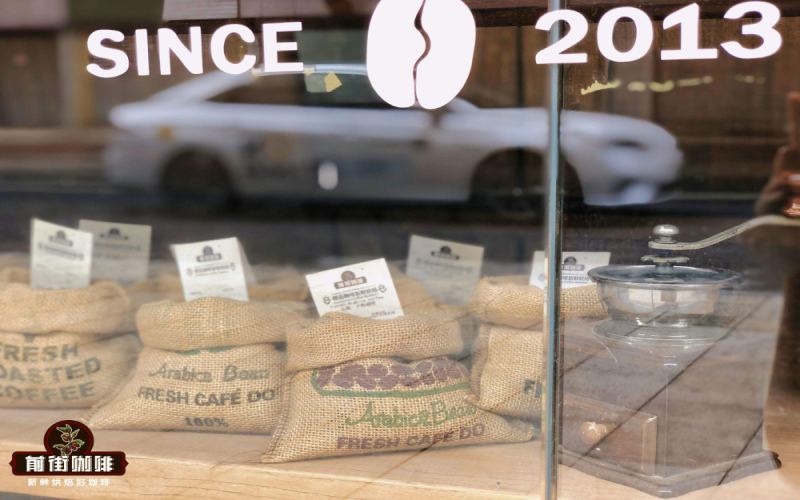
An Analysis of Jamaican Blue Mountain Coffee Grade Positioning: The Complete Picture of Pour-Over Flavor from Clifton Estate to Front Street Blue Mountain No. 1
Blue Mountain coffee holds an almost legendary status in the coffee world, and for many people, their first encounter with specialty coffee began with it. But exactly what tier does Blue Mountain coffee belong to? It is neither the most expensive nor necessarily the most refined in flavor, yet by virtue of its ultimate balance of acidity, sweetness, and bitterness, it has become a benchmark for measuring good coffee. This article will start from the first-encounter memories of Front Street Blue Mountain coffee, and provide a complete overview of the grade characteristics of Jamaica Blue Mountain No. 1—including the cultivation history of Clifton Estate, Rainforest Alliance certification, the Typica variety, and the washed processing method—and will also share in detail the Kono dripper three-pour hand-brew parameters and flavor performance recommended by Front Street Coffee, taking you to rediscover this classic among classics. [more…]
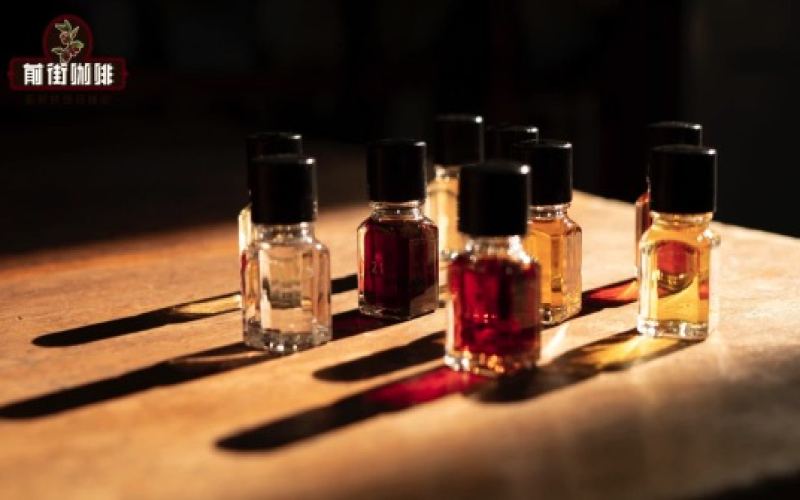
SCA Specially coffee flavor wheel | Understanding the flavor wheel is the first step in learning the flavors of coffee.
As an authoritative coffee flavor guide map, as long as it is used properly, the new partners who join can quickly categorize the flavors presented by the coffee, and after learning it, combined with practice, mastering the coffee flavor is simply a [more…]
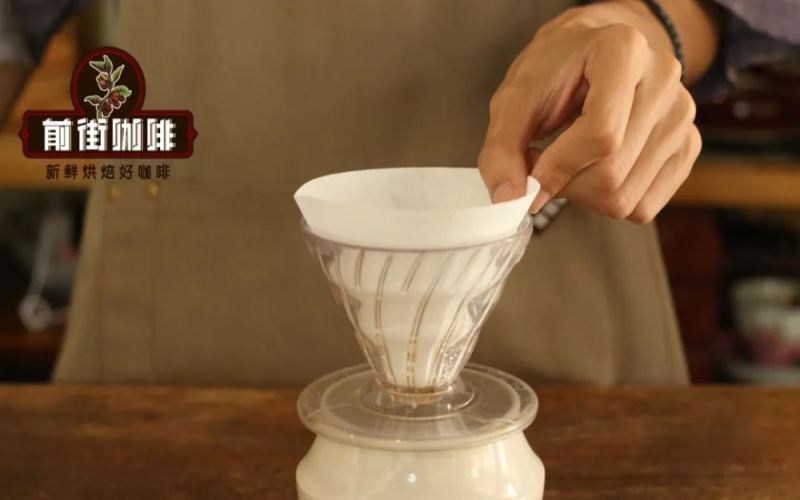
Coffee Filter Paper Guide: Why You Need to Rinse Before Brewing, and a Full Breakdown of Bleached vs. Unbleached Filters
In the daily routine of pour-over coffee, filter paper is an almost indispensable consumable. But have you ever wondered why you usually need to rinse the filter paper with water before the official pour? Between the common white filter papers and natural wood-colored filter papers on the market, which one should you actually choose? Regarding the origins of filter paper, the impact of bleaching processes on flavor and health, the classification of sizes and specifications, and how different manufacturing processes affect the flow rate, Front Street will sort through all of it one by one in this article to help you choose the right filter paper and get the most out of every sheet. [more…]

ChaPanda's new Litsea cubeba product giveaway sparks heated discussion: the "little wooden stick" merchandise differs greatly from the promotional images.
After Heytea launched a Litsea cubeba drink, ChaPanda also incorporated this southwestern specialty spice into its new products and rolled out a promotion where buying a large cup earns a wild Litsea cubeba charm. However, this merch, jokingly dubbed the "little wooden stick" by netizens, drew widespread complaints over its shrunken size and warped shape. This article breaks down the flavor profile of Litsea cubeba, ChaPanda's marketing strategy, and the disconnect between what consumers received and what was advertised, giving you the full picture of this "wooden merch" controversy. [more…]
A Roundup of Famous Kenyan Coffees: Parsing the Grading System from CBK Auctions to AA Plus Micro-Lots
Kenyan coffee has always held an important position in the specialty Arabica market. Local production is dominated by smallholder farmers, and high-grade beans must be assessed and graded by the Kenya Coffee Board (CBK) before being sold through weekly auctions. This article will outline the brand context and grading logic of Kenyan coffee, with a focus on interpreting the characteristics of the AA Plus micro-lot grade—it has brighter fruit notes and red wine aromas than regular AA. At the same time, it presents the complete profile of Front Street Coffee's Nyeri region Mossball AA Plus, including the SL28 variety, altitude of 1,700 to 1,800 meters, washed processing, and cup tasting notes, helping enthusiasts understand the full picture of Kenyan coffee from the auction system to its performance in the cup. [more…]
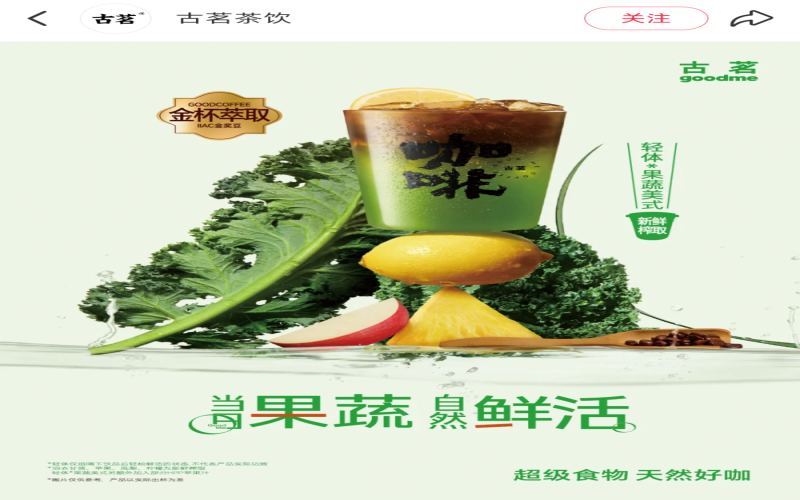
Guming Fruit & Vegetable Americano Real-World Review: Kale Meets Espresso, Sparking Debate Over Both Color and Taste
Following its light-body fruit and vegetable bottles and vitamin A fruit and vegetable bottles, Gu Ming has once again incorporated espresso into freshly squeezed fruit and vegetable juice, launching the new Light-Body Fruit and Vegetable Americano, in an attempt to attract more consumer groups with a combination of health and coffee. According to the official description, this product is centered on kale, paired with apples, yellow lemons, pineapples and other ingredients freshly squeezed on the same day, then infused with coffee liquid to add layers. However, after the new product launched, consumers' actual feedback presented a completely different picture: the appearance gradually changed from fresh leafy green to a dark yellow tone, and the taste was described as grassy, medicinal, or even like cold sour vegetable soup. This article compiles the formula information, visual changes, and genuine netizen reviews of this fruit and vegetable Americano for coffee lovers' reference. [more…]
How to Choose and Use Pour-Over Coffee Filters? The Differences Between Bleached and Natural Filters and How Their Craft and Structure Affect Extraction
Before making pour-over coffee, many people first take a filter paper, fold it, and place it into the dripper, then add the coffee grounds. What role does the filter paper actually play? And how should you choose between white and natural-colored filter papers available on the market? This time, Front Street Coffee starts from the origin of filter paper, sorting out the pros and cons of bleached and unbleached filter papers, common size specifications, and further discusses how manufacturing processes and filter paper structure affect the flow rate, thereby influencing the final extraction. At the end of the article, combined with Front Street's experience, it offers purchasing ideas that are either more convenient or more environmentally friendly, helping you find a balance between flavor purity, operating habits, and environmental considerations. [more…]

Luckin's Christmas Crème Brûlée Latte Accused of Having No Pudding and No Cream: The Truth Behind the Official Response and Consumer Misunderstanding
Not long after Luckin's Christmas season limited-edition Christmas Baked Pudding Latte made its return, it was thrust into the spotlight over "no pudding, no cream." Consumers questioned that its promotional images were tempting but misleading, while the company responded that "pudding" refers only to the flavor, and that the cream melting is a normal phenomenon. Behind this misunderstanding, is it misleading product naming and imagery, or consumers' cognitive bias about the characteristics of cream in hot drinks? This article sorts out the ins and outs of the incident and reveals the scientific reasons why cream easily melts when added to hot drinks, helping coffee lovers view this festive special drink rationally. [more…]
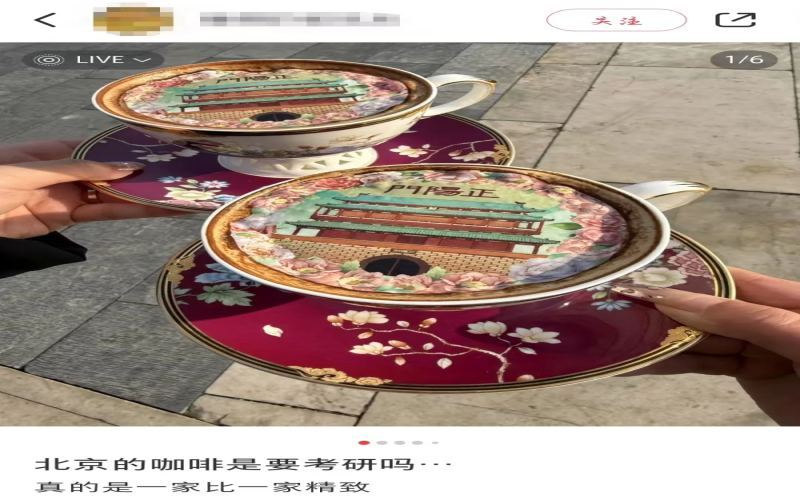
Colorful latte art has gone viral on social networks—edible printed rice paper: creative innovation or gimmick? Coffee lovers are divided.
Recently, a latte decorated with an image of the Zhengyangmen Gate Tower in Beijing sparked heated discussion on social media. The exquisite edible color-ink printing amazed many netizens with the café's ingenuity, but some also frowned at the colorful design on the surface of the liquid. What materials are actually used to make this type of color-printed coffee, jokingly called "graduate-exam level"? Does it add brilliance to the drink, or has it become a photogenic prop that looks good but is useless? Judging from shares by coffee lovers in various places, printing scenic spots, portraits, or brand logos on the surface of lattes is already nothing new, yet controversy over its taste and food safety has never ceased. This article will guide you through the production principles behind this visually stunning coffee, as well as consumers' true attitudes of love and hate toward it. [more…]

To fulfill a customer's wish for a Christmas tree latte art, a Manner barista actually picked up a thermometer and painstakingly practiced a new skill.
Halloween has just passed, and the Christmas season has arrived right on its heels. Christmas topics are trending on social media, and a Christmas tree latte art craze has swept through the coffee community. Because the design is simple to learn and visually striking, many netizens have been flocking to Manner stores to ask baristas for custom versions. However, not every barista is skilled at this design, so some have quietly picked up thermometers and practiced hard in their spare time. This article will walk you through the origins and development of this Christmas latte art trend, and the efforts baristas make to fulfill their customers' wishes. [more…]
Are Mandheling coffee beans Arabica? A comprehensive analysis of varieties and processing methods in Indonesia's Sumatra producing region
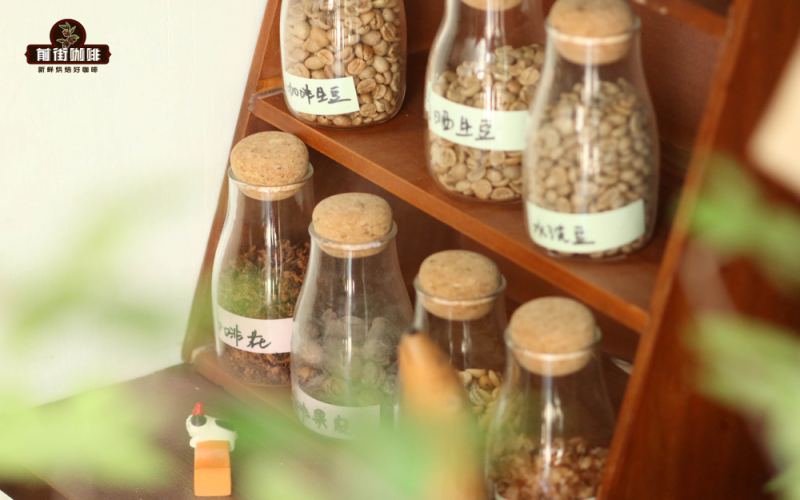
Mandheling coffee is known for its rich, full-bodied taste and unique herbal flavor, and opinions among coffee enthusiasts are sharply divided. But many people are not clear about whether Mandheling is actually an Arabica variety, where its core production areas are distributed in Sumatra, Indonesia, why it uses the unique wet-hulling process, and what the differences are between the two major producing regions of Aceh and Lintong. This article will sort out the complete picture of Indonesian Mandheling coffee one by one, from variety tracing, production area distribution, processing techniques, to the strict standards of PWN Golden Mandheling, and will also include Front Street Coffee's brewing suggestions to help readers fully understand this classic coffee. [more…]
Heytea's new silver-coated cold drink cup sparks debate: the milk cap line is obscured, consumers mistake it for spoilage, and staff find it inconvenient to use.
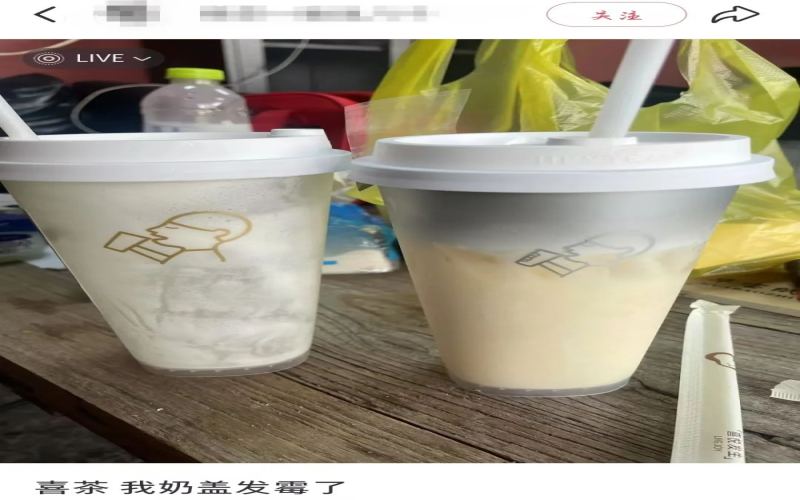
Heytea recently switched to new transparent plastic cups for cold drinks, adding a silver-gray decorative coating to the top of the cup and changing its brand logo to silver-gray as well. This design change has sparked discussions from multiple sides: some customers mistakenly thought the milk cap had gone moldy, milk cap lovers worried they could no longer judge the amount of milk cap by appearance, and some netizens felt the silver coating easily reminded people of something inedible or spoiled. Meanwhile, Heytea employees also reported that the fill lines and milk cap lines on the new cups were hard to recognize because they were obscured by the coating, making it more difficult to judge product standards when manually adding milk cap. Although the new cups look more layered and premium in photos, the misunderstandings and inconvenience in actual use have come along with them. This article is compiled from Coffee Workshop, and Front Street Coffee presents the full picture of the incident for you. [more…]
A Detailed Explanation of Green Coffee Defect Classification Standards: Which Beans Need to Be Removed and Which Are Just Visual Misunderstandings
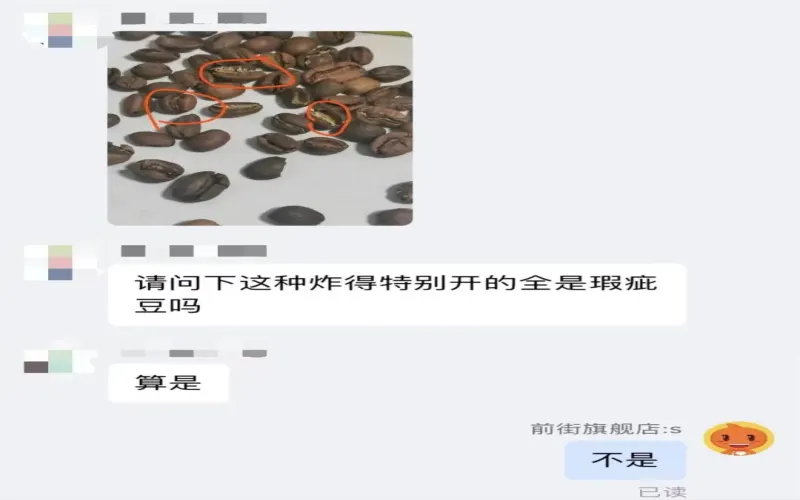
Many coffee enthusiasts, when first encountering coffee beans, often misjudge defective beans based on unusual appearance. In reality, true defective beans are mainly concentrated at the green bean stage, and most have already been screened out at the producing region and roasting stages. Among the beans consumers buy day to day, those covered in wrinkles, with cracks, or on the lighter side in color are often not defects, but normal phenomena brought about by light roasting, high-altitude cultivation, or specific processing methods. This article systematically sorts out the classification standards for green coffee bean defects, distinguishes true defective beans from appearance traits that are easily misunderstood, and introduces Front Street Coffee's practice of double screening before and after roasting, helping readers build a more accurate basis for judging quality. [more…]
An Analysis of Indonesian Sumatra Mandheling Coffee: Variety Origins, Regional Characteristics, and the Wet-Hulling Process
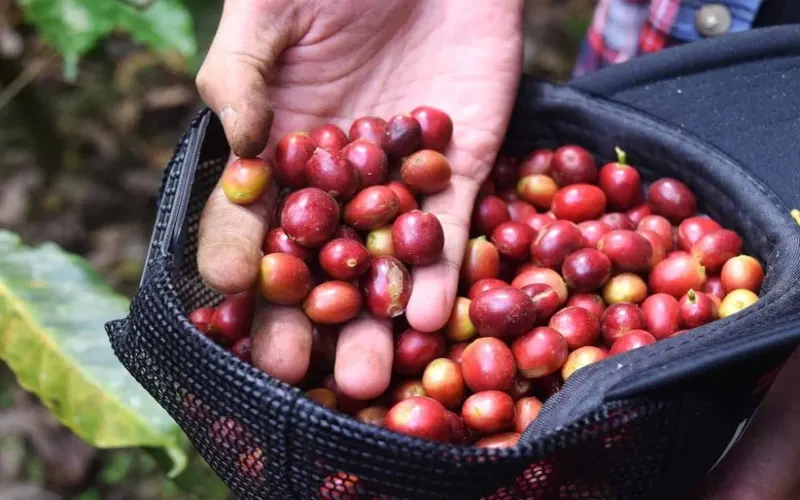
Mandheling coffee is a classic representative of Indonesian coffee, renowned for its full-bodied mouthfeel and unique herbal, agarwood-like flavor. But what variety does Mandheling actually belong to? Why does it carry Robusta genes? And how does Sumatra's wet-hulling process shape its rugged character? This article systematically examines the full picture of Mandheling coffee, from its varietal origins, producing regions, and grading system to brewing parameters, with a special focus on the features and certification details of Front Street Coffee's PWN Golden Mandheling, offering you an in-depth look at the distinctive charm of this flagship Asian coffee. [more…]
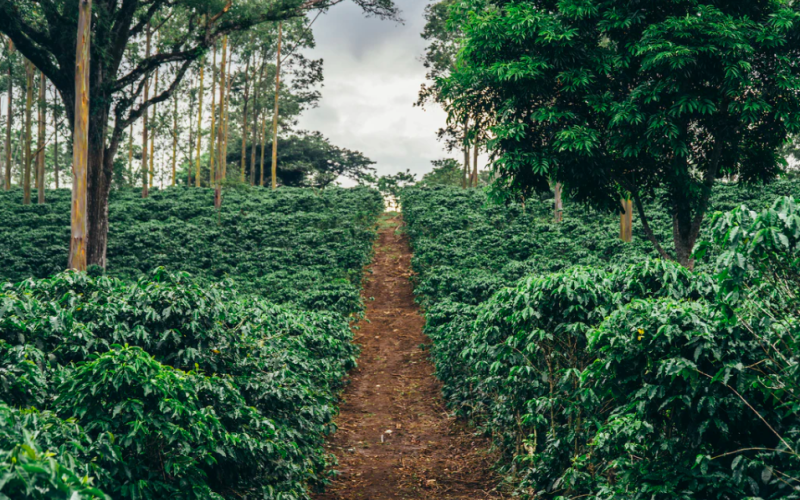
A Complete Guide to Colombian Supremo Specialty Green Coffee Beans: Origin Terroir, Grading Standards, and Pour-Over Techniques
Colombian coffee has long held an important position in the international market thanks to its mellow, fragrant aroma, with export volumes consistently ranking among the highest in the world. What exactly creates its outstanding quality? This article will systematically unpack the full picture of Colombian Supremo-grade green coffee beans from four dimensions: the terroir conditions of the Andes Mountains, the management role of FNC (the National Federation of Coffee Growers of Colombia), the green bean screen-size grading system, and specific brewing plans. At the same time, using a Huila region everyday drinking bean as an example, it shares Front Street's parameter thinking and flavor performance in actual extraction. [more…]
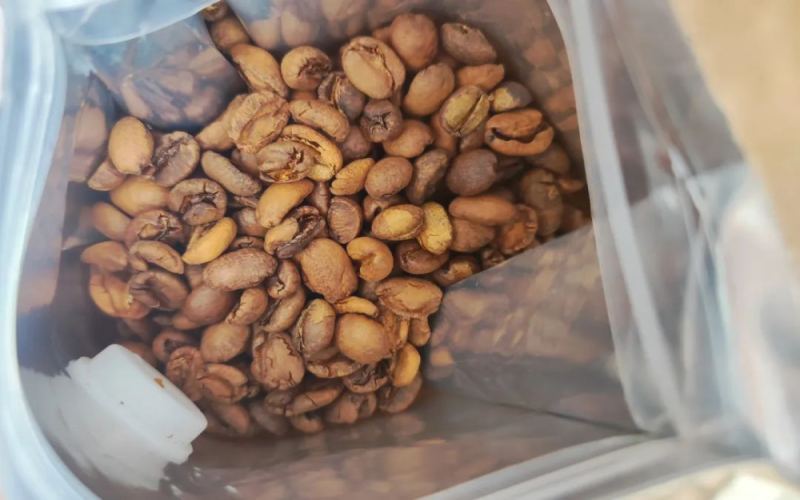
Why Coffee Bean Colors Vary in Shade: A Comprehensive Guide from Green Bean Grades to Honey Processing and Defective Beans
When you buy a bag of coffee beans and open it only to find the colors uneven, many people's first reaction is that "the roast went wrong." But coffee beans, being an agricultural product, can never be uniform bean for bean. This article explains, from the perspectives of green bean grading, honey processing, and anaerobic fermentation, the reasons why light-roasted coffee beans vary in shade, while also clarifying the difference between white-eye beans and normal beans, and pointing out several appearance traits often mistaken for defective beans. At the end, it uses examples from Front Street Coffee's Sherry and Warm Sun blends to illustrate how the roast level affects bean surface color and flavor performance. [more…]
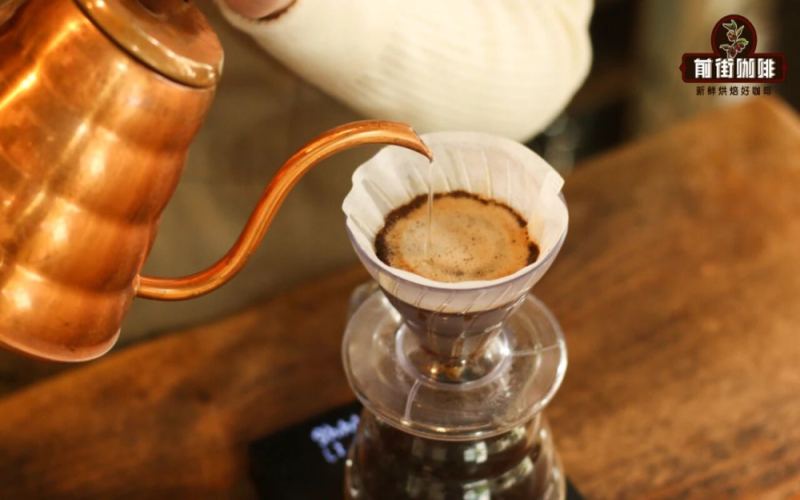
Yirgacheffe Washed G1 Coffee Beans: A Full Analysis of Origin Environment, Altitude, Climate, and Flavor Characteristics
Yirgacheffe is one of Ethiopia's most recognizable coffee regions, known for its jasmine aroma, citric acidity, and tea-like finish. This article systematically lays out the complete picture of washed Yirgacheffe G1 coffee beans, from the geographical environment, climate and altitude, and cultivation methods to the introduction of washed processing technology. The article also presents Front Street Coffee's washed Yirgacheffe series, including Gudingding and Konga Red Cherry, and provides a detailed explanation of the high-altitude heirloom coffee from the Kochere sub-region along with its brewing parameters. It is suitable for coffee enthusiasts who want to gain a deeper understanding of the source of Yirgacheffe's flavor and how to choose among them. [more…]